
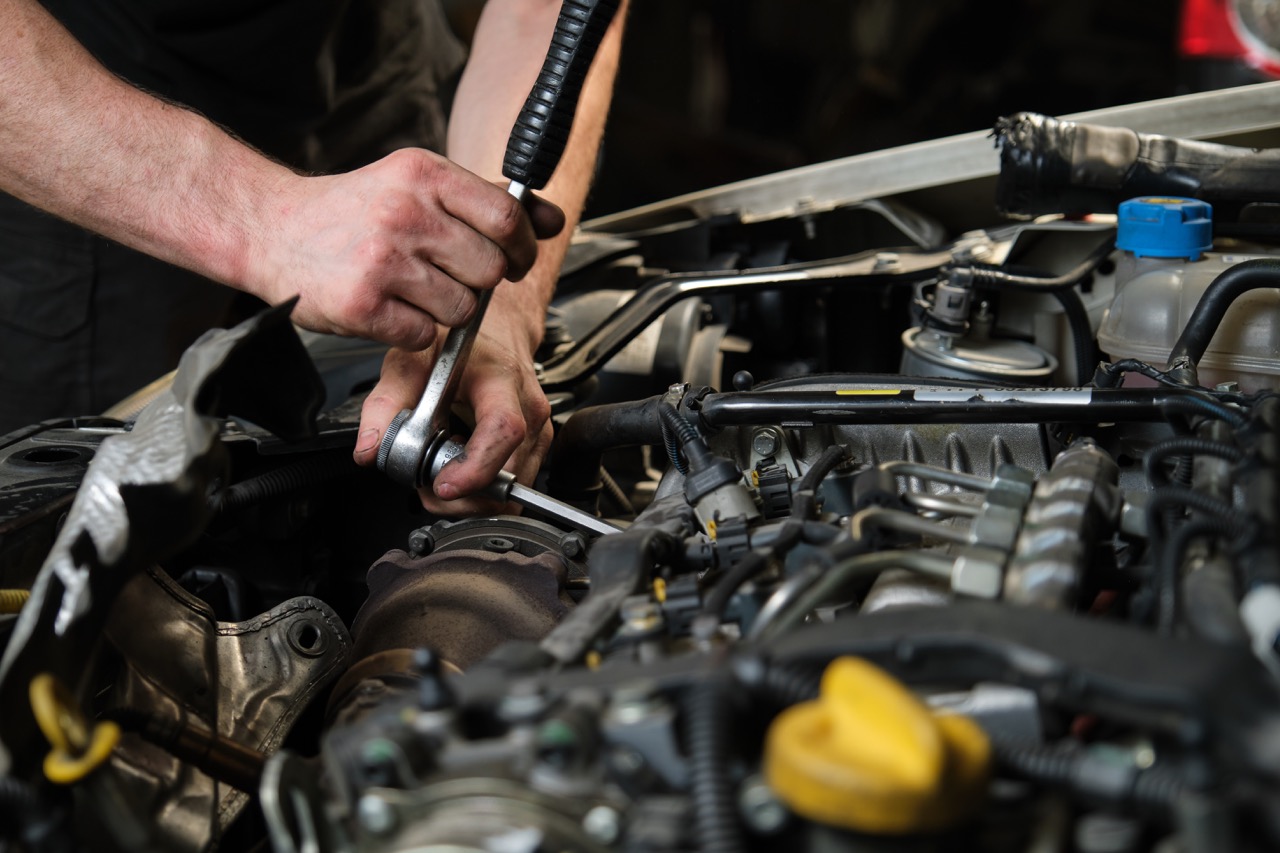

When a vehicle needs repairs, many drivers wonder whether using non-original parts will jeopardize their warranty. Understanding how replacement components interact with manufacturer warranties helps you make informed, cost-effective repair decisions while staying protected.
What Replacement Parts Mean for Your Warranty
Automakers generally offer two types of warranties:
- Bumper-to-bumper warranty
- Powertrain warranty
Both protect you against defects in materials or workmanship. The important point: using aftermarket or third-party parts does not automatically void your warranty. However, certain conditions apply.
When Replacement Parts Do Not Affect Warranty Coverage
1. Aftermarket part doesn’t cause the issue
Warranty coverage must be honored if the replacement part has no connection to the failure. Manufacturers cannot deny a claim solely because you used non-OEM components.
2. Part meets or exceeds OEM specifications
If the part is of comparable quality and does not damage related systems, coverage typically remains intact.
3. Maintenance was performed correctly
As long as the service intervals were followed and the installation was done properly, your warranty stays valid.
When Replacement Parts Can Affect Your Warranty
1. Part directly causes a failure
If an aftermarket component is proven to be the reason for damage—such as a faulty water pump causing engine overheating—the manufacturer may legally deny that specific claim.
2. Poor installation
Incorrect installation of any part, even an OEM one, can void warranty coverage for the related repair.
3. Extremely low-quality or incompatible parts
Using substandard components that compromise vehicle performance can affect coverage if they lead to a system malfunction.
OEM vs. Aftermarket Parts: What’s the Difference?
OEM (Original Equipment Manufacturer) Parts
- Made by the vehicle manufacturer
- Guaranteed compatibility
- Usually more expensive
Aftermarket Parts
- Produced by third-party companies
- Often cheaper with more options
- Quality can vary widely
Key takeaway: Choosing a reputable aftermarket brand helps maintain performance without compromising your warranty.
How to Protect Your Warranty When Using Replacement Parts
- Keep receipts for all parts and service.
- Document maintenance schedules and follow manufacturer guidelines.
- Choose reputable brands with proven quality.
- Use certified technicians for installation.
- Read your warranty booklet to understand exclusions.
What Your Dealership Can and Cannot Do
- They cannot force you to use OEM parts for routine maintenance.
- They cannot void your entire warranty due to aftermarket components.
- They can deny coverage only if the replacement part caused the problem.
This principle is commonly reinforced in consumer protection laws across many regions.
FAQs
1. Does using aftermarket brake pads void my warranty?
No—unless the brake pads cause a related failure, such as rotor damage.
2. Is my warranty at risk if I install a third-party battery?
Not typically. If the battery causes electrical issues, only that repair may be denied.
3. Can I service my car at an independent shop?
Yes, as long as the work is done properly and follows the maintenance schedule.
4. Are performance parts treated differently?
Yes. High-performance modifications may affect powertrain coverage if they alter engine output or cause stress on components.
5. Do I need proof that the aftermarket part didn’t cause the damage?
The manufacturer must prove the part caused the failure—not the other way around.
6. Can software modifications affect warranty coverage?
Yes. ECU tuning or unauthorized software changes can void related engine or transmission claims.
7. Should I inform the dealership before using aftermarket parts?
Not required, but doing so may help avoid disputes later.

Comments are closed.