
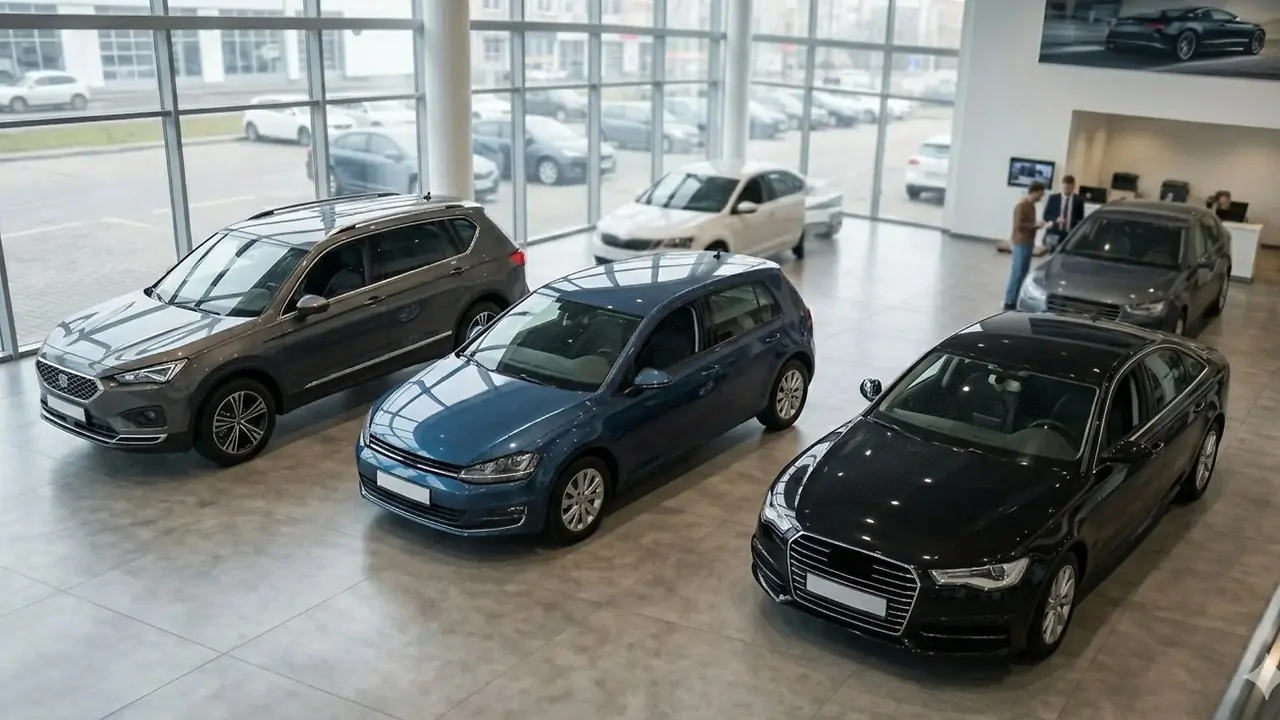

The right used car for Perth is the one that fits the weekly routine. Body style matters when dealing with local streets, parking bays, freeway runs, and the heat that comes with driving around the city.
Start with the weekly routine
Perth weeks often mix driving on the Mitchell Freeway or Kwinana Freeway with tight parking near the city center and short hops. Add summer heat and a trip toward the Hills or a campsite, and differences in size and comfort start to matter.
Before comparing shapes, map the routine for a normal month. Note how often city parking is needed, how many freeway runs are done at speed, what cargo is carried, and whether child seats stay in the car.
That list does more work than any badge or trend. A car that fits the routine will feel right quickly.
Hatchbacks for tight streets and parking
Hatchbacks tend to have a small footprint with a short rear overhang, which can help in tight CBD bays and narrow side streets. Still check length and turning circle on the exact car, since dimensions and steering specifications vary between models. Check width with mirrors folded and open, and the camera view in a dark garage.
The rear liftgate provides a wide opening, with a folding rear seat behind it. That shape can suit boxy gear and tall grocery loads. The opening height and load length still need measuring with the seats up and down.
Don’t guess fuel use or insurance from size alone. Two hatchbacks of the same age can differ considerably in consumption and insurance costs, so pull the label figures and get quotes for the exact cars on the shortlist. There’s no shortcut here.
Sedans for freeway miles and separate trunks
Sedans tend to have a separate trunk with a narrower opening and a fixed parcel shelf. That layout keeps cabin and cargo apart, which some drivers prefer. It also means large or awkward items may not pass through, so test with the gear that gets carried most.
On the freeway, comfort comes from seats, noise control, suspension tune, and tires. Wheelbase alone doesn’t decide how calm a car feels at speed.
Check seat support and mirror shake, along with wind and road noise. Check that the air conditioning at idle stays strong when the car has been parked in the sun.
If most weeks involve freeway driving with light loads, a sedan is worth a close look. Take a long loop at speed before deciding, since seats and noise tell more than photos.
SUVs for kids and tall loads
SUV shapes tend to have taller doors and an upright cargo area behind the rear seats. Seating is often higher than in hatchbacks and sedans. Parents often want to test child seat fit in the exact car, since door angle and rear seat shape change how easy it is to load and tighten the seat.
Extra clearance can help on rutted tracks or steep driveways out toward the Hills. It doesn’t by itself make a car safer or better in normal traffic, and most suburban trips don’t need it. Check the clearance figure, plus roof height for home garages and shopping centers.
A tall roof can help with stacked boxes and upright strollers, though the load floor and roofline may also be higher. Measure garage clearance and try lifting heavy gear in and out before assuming taller is easier.
Fuel and insurance need the same exact-car check. Once the shortlist is set, compare cars for sale perth by body style and price, then ask for the inspection documents and sale inclusions on each candidate.
How to check the exact car before you buy
A short loop around the block won’t show freeway manners or air conditioning performance in warm weather. Take a longer drive that holds speed, then park in a tight bay and load the trunk with the items that ride along each week.
Bring the child seat and fit it, then fold the seats and check the opening width and load floor length. Check rear door swing in a narrow bay.
Ask for service history and an independent mechanical inspection, since heat and dust punish old cooling systems and worn suspension. Favor a dealer with clear fixed pricing and written inspection results available before any deposit. Filter online stock by body style within a firm budget cap. Compare the same few years side by side and note mileage and tire condition. Book inspections only after the list is down to two or three cars that fit the routine.
Check the air conditioning in traffic and at freeway speed on a warm day. If airflow fades or smells musty, have it checked during inspection and allow for service costs.
Pull insurance quotes and fuel figures for the final two cars, not just the body style average. Note tire size and service intervals, since both affect yearly costs. Allow for an AC service or new tires if inspection flags wear.
Many dealers list stock online with photos and fixed prices. Build a shortlist online, then assess the cars with a drive and an independent check before any deposit. Bring license details and allow time for a second look in daylight.
Match the shape to the week and test the exact car in real conditions.
