
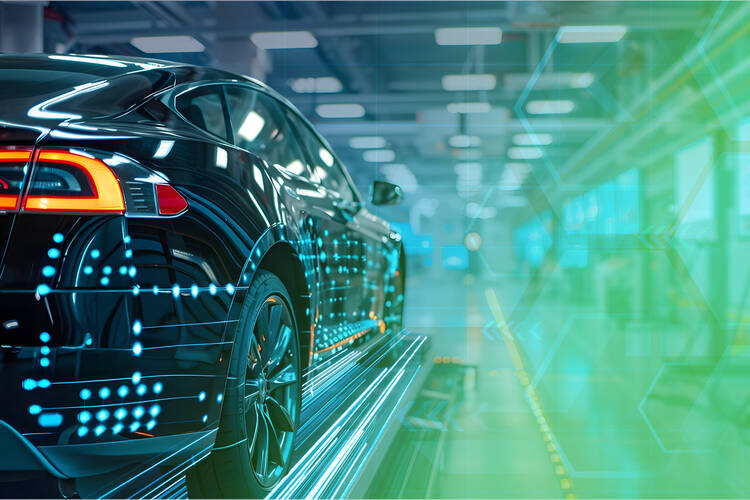

The automotive sector is undergoing its fastest evolution in decades. Electrification, digitalization, and advanced mobility solutions are reshaping how vehicles are engineered, purchased, and driven. Understanding these shifts is essential for consumers, manufacturers, and industry professionals alike.
The Rise of Electric Vehicles (EVs)
Electric vehicles continue to dominate the global automotive shift. Rapid improvements in battery technology are lowering costs, boosting driving range, and making EV ownership more accessible.
Key Drivers Behind EV Growth
- Longer-range batteries now exceed 300–400 miles on a single charge for many models.
- Faster charging infrastructure is expanding across cities and highways.
- Government incentives are encouraging EV adoption through tax credits and rebates.
- Lower maintenance costs compared to internal combustion engines.
Many automakers are committing to fully electric lineups within the next decade, signaling a permanent transformation in vehicle powertrains.
Autonomous Driving Technologies
Self-driving systems have advanced from experimental prototypes to features available in production vehicles. While full autonomy is still developing, partially automated systems are improving safety and convenience.
Levels of Autonomy Advancing Rapidly
- Level 2 systems (hands-on assistance) are now common in mainstream vehicles.
- Level 3 capabilities allow limited hands-free driving in controlled environments.
- AI-driven perception systems are becoming more reliable in complex conditions.
Automakers are collaborating with tech companies to refine lidar, radar, and computer vision systems, paving the path toward safer autonomous mobility.
Connected Car Ecosystems
Connectivity has become a foundational component of modern automotive design. Vehicles now function as digital platforms, linking drivers, data networks, and cloud-based services.
Notable Innovations in Connected Cars
- Over-the-air (OTA) software updates keep vehicles up-to-date without dealership visits.
- Advanced infotainment systems integrate apps, navigation, and smart assistants.
- Vehicle-to-Everything (V2X) communication enhances safety through real-time traffic and hazard alerts.
As connectivity expands, automakers are providing personalized driving modes, predictive maintenance alerts, and seamless smartphone integration.
Sustainability and Eco-Friendly Manufacturing
Environmental responsibility extends beyond tailpipes. Manufacturers are rethinking how vehicles are built to reduce environmental impact across the entire lifecycle.
Sustainability Efforts Gaining Momentum
- Recycled and renewable materials used in interiors and body components.
- Lower-emission factories powered by solar, wind, and energy-efficient systems.
- Circular economy models emphasizing recyclability and second-life battery applications.
These initiatives reflect a broader industry commitment to align with global climate goals.
The Future of Automotive Mobility
The future of transportation goes beyond individual car ownership. Mobility-as-a-Service (MaaS) is growing, supported by urban tech and sustainability priorities.
Emerging Future Mobility Concepts
- Electric shared fleets reducing congestion and emissions.
- Smart urban transport networks integrating cars, bikes, scooters, and public systems.
- Subscription-based car access offering flexibility without long-term commitments.
As automotive technology advances, mobility will become more accessible, efficient, and environmentally conscious.
Frequently Asked Questions (FAQ)
1. Are electric vehicles more expensive to maintain than gasoline cars?
No. EVs generally require less maintenance because they have fewer moving parts and do not need oil changes.
2. Will autonomous cars replace human drivers soon?
Not immediately. Full autonomy is still in development, though driver-assist systems are becoming more capable each year.
3. What is the biggest challenge facing EV adoption today?
Charging infrastructure availability remains a major factor, especially in rural areas.
4. How safe are connected cars against cyber threats?
Modern vehicles use encrypted networks and multilayer security protocols, though continuous updates are essential to stay protected.
5. Do sustainable materials affect vehicle durability?
No. Most eco-friendly materials are engineered to meet or exceed durability standards.
6. What benefits do OTA updates offer drivers?
They improve performance, add features, and resolve software issues without requiring dealership visits.
7. How will future mobility services impact personal car ownership?
Shared mobility and subscription models may reduce ownership demand in urban environments but won’t eliminate it entirely.

Comments are closed.