

Flipping used cars can be a highly lucrative side business or full-time venture when approached with a clear strategy. The key to maximizing profit margins lies in the spread between the purchase price of a neglected or budget vehicle and its eventual resale value after targeted reconditioning. However, overspending on replacement components or misjudging repair scope can quickly erase potential profits. Successful car flippers treat every project as a balance between cost containment, mechanical safety, and aesthetic presentation.
Executing a profitable flip depends heavily on sourcing affordable auto parts without compromising vehicle reliability or driver safety. By adhering to a systematic checklist—from pre-purchase evaluation and strategic parts procurement to focused reconditioning and final marketing—you can consistently transform low-priced used cars into clean, road-ready vehicles that command strong market prices.
Phase 1: Pre-Purchase Evaluation and Scope Assessment
The foundation of a profitable vehicle flip is established before any cash changes hands. Buying the wrong vehicle or underestimating structural damage will undermine even the most disciplined parts sourcing strategy.
-
Target High-Demand, Reliable Models: Focus on high-volume compacts, midsize sedans, and light crossovers from established manufacturers. Models with proven production runs have massive aftermarket parts support, making replacement components cheap and abundant.
-
Scan for Electronic Trouble Codes: Always bring an OBD-II diagnostic scanner when inspecting prospective vehicles. Read active, pending, and historical fault codes to identify hidden issues in the transmission, emission controls, or engine management systems.
-
Check for Structural and Flood Damage: Avoid vehicles with unibody frame damage, severe rust perforation, or evidence of water submersion. Structural repairs require specialized machinery that eliminates profit margins.
-
Calculate Maximum Allowed Acquisition Cost: Determine expected market value after reconditioning, then subtract target profit and estimated repair costs. Never exceed this purchase ceiling during negotiations.
Focus on cars with cosmetic defects, neglected routine maintenance, or minor mechanical issues that scare off average buyers but can be fixed easily with budget parts.
Phase 2: Sourcing Affordable Auto Parts Strategically
Sourcing components efficiently dictates whether a flip generates substantial profit or breaks even. Successful flippers diversify their supply channels based on the specific type of component required.
Utilizing Self-Service Salvage Yards
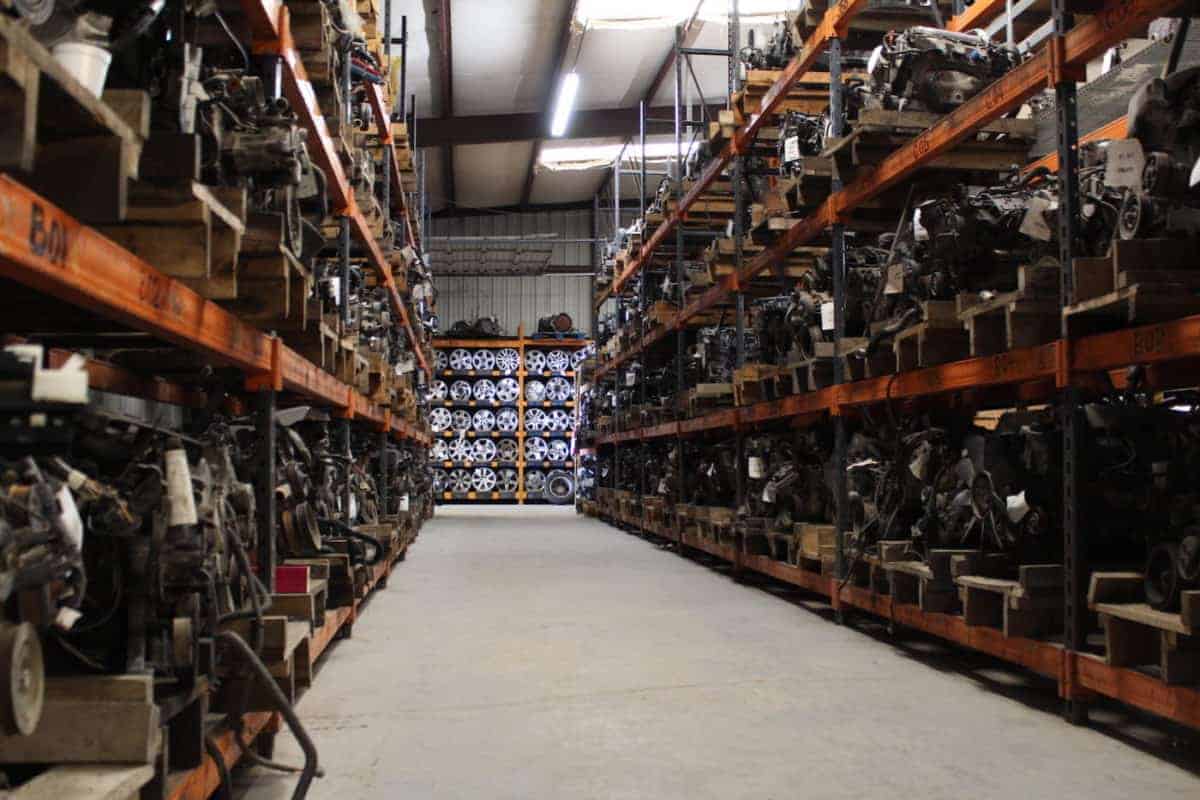
Self-service automotive recycling yards, commonly called pick-n-pull lots, are goldmines for body panels, trim pieces, side mirrors, light assemblies, and interior switchgear. These facilities charge standardized, flat rates regardless of vehicle make. Purchasing pristine factory original equipment manufacturer body parts in matching colors eliminates the need for expensive paint work.
Leveraging Wholesale Online Parts Retailers
For routine wear items such as brake pads, rotors, filters, spark plugs, and suspension struts, online automotive parts distributors offer prices significantly lower than retail auto stores. Ordering parts bundles or complete front-end suspension kits reduces shipping costs and per-unit pricing.
Choosing Between Aftermarket and OEM Components
Not every replacement part needs to bear an original factory brand logo. Premium aftermarket safety components, including brake assemblies, wheel bearings, and steering linkages, meet stringent performance standards at a fraction of factory prices. Save original manufacturer parts purchases for specialized sensors, complex solenoids, or electronic modules where aftermarket tolerances can sometimes vary.
Phase 3: Mechanical Reconditioning Checklist
Once the vehicle is secured, address mechanical safety and operational health first. Buyers will overlook minor cosmetic blemishes if the powertrain runs smoothly and the car drives quietly.
Engine and Powertrain Service
-
Replace Basic Engine Wear Items: Install fresh spark plugs, a new air filter, and a fresh fuel filter if applicable. Replace worn valve cover gaskets to eliminate oil leaks that stain driveways and create smoke in the engine bay.
-
Perform Full Fluid Exchanges: Change the engine oil and filter using recommended viscosity grades. Check transmission fluid, brake fluid, power steering fluid, and engine coolant, topping off or flushing fluids that show discoloration or breakdown.
-
Address Drive Belts and Hoses: Inspect the main serpentine belt for cracks or glazing. Swap out brittle coolant hoses or soft vacuum lines to prevent unexpected breakdowns during buyer test drives.
Braking and Suspension Refresh
-
Renew Brake Assemblies: Replace heavily worn brake pads and install fresh rotors if scoring is present. Clean and lubricate caliper slider pins to prevent uneven pad wear and sticking.
-
Eliminate Suspension Clunks: Worn sway bar end links, control arm bushings, and strut mounts cause loud clunks over bumps that deter prospective buyers. Installing affordable complete quick-strut assemblies restores factory ride height and handling instantly.
-
Verify Wheel Alignment: Ensure the steering wheel sits centered during forward travel. Proper tire alignment preserves tread life and provides a smooth, stable highway drive.
Phase 4: Exterior and Interior Cosmetic Transformation
Cosmetic condition creates the initial emotional connection with prospective buyers. High visual appeal allows sellers to hold firm on asking prices during negotiations.
Exterior Refinishing and Detail
A dirty or faded vehicle exterior suggests poor mechanical maintenance to buyers, whereas a glossy finish creates immediate perceived value.
-
Headlight Restoration: Clear up yellowed or hazy plastic headlight lenses using a restoration polish kit or fine wet-sanding compound followed by a clear UV coating. Clear headlights immediately modernize a vehicle appearance.
-
Paint Correction and Touch-Up: Wash the vehicle thoroughly, clay bar embedded contaminants, and apply a single-stage machine polish to remove swirl marks. Fill minor rock chips with factory-matched touch-up paint.
-
Wheel and Tire Presentation: Clean baked-on brake dust off road wheels using dedicated wheel cleaners. Apply a durable tire shine product to give sidewalls a deep, clean look. Replace missing center caps or cracked plastic hubcaps with inexpensive aftermarket replacements.
Interior Sanitization and Repair
Buyers spend their entire test drive sitting inside the vehicle, making interior cleanliness essential for closing a deal.
-
Deep Clean Carpets and Fabrics: Use a hot water extractor or fabric shampoo to remove stains, dirt, and spills from floor mats and seats. Repair minor vinyl or leather tears with budget upholstery repair kits.
-
Eliminate Odors Completely: Never cover up bad smells with heavy air fresheners. Run an ozone generator inside the closed cabin for several hours to neutralize mold, pet, or smoke odors at the source.
-
Fix Broken Cabin Controls: Replace broken air vent louvers, missing radio knobs, cracked window switches, or sagging headliners. Inexpensive replacement switches sourced from salvage yards make an interior feel complete and functional.
Phase 5: Documentation, Photography, and Sale Execution
The final stage of flipping a used car involves presenting the finished project effectively to prospective buyers online.
Organize all receipts for replacement parts and fluid services in a clean folder to demonstrate diligent care during reconditioning. Wash the car one final time and park it in an open, well-lit location with a clean backdrop. Take comprehensive, high-resolution photographs from multiple exterior angles, capturing interior seating, dashboard displays, trunk space, tire tread depth, and a clean engine bay.
Write a clear listing description outlining the exact year, make, model, trim level, current mileage, and recent service history. Disclose all functional improvements clearly, set an asking price slightly above your target net earnings to allow room for negotiation, and prepare to host safe, structured buyer test drives.
Frequently Asked Questions (FAQ)
What is the ideal budget range for a first-time used car flip?
A manageable budget for a first-time flip is purchasing a vehicle between $1,500 and $3,500, with an additional $500 to $1,000 allocated for parts and reconditioning. This price bracket minimizes initial financial risk while targeting a large buyer market searching for reliable transportation under $6,000.
Is it safe to use pulled salvage yard parts for critical mechanical repairs?
Salvage yard parts are excellent for non-wear components like body panels, glass, rims, mirrors, interior trim, and non-critical electrical switches. However, for critical wear components such as brake pads, rotors, ball joints, wheel bearings, and timing belts, always install new aftermarket or factory parts to guarantee vehicle safety and reliability.
How do I legally manage vehicle titling and taxes when flipping cars?
Regulations vary significantly by state regarding the number of vehicles an individual can sell annually without holding an official dealer license. Always register and title vehicles properly according to local laws, pay required sales taxes, and maintain clear paper trails for every transaction to stay compliant with state motor vehicle statutes.
Should I fix cosmetic body dings and paint scratches before listing a flipped car?
Minor dings, scratches, and paint chips that can be touched up or polished out at low cost should always be addressed. However, major body shop repair work or full-vehicle paint jobs rarely yield a positive return on investment for budget flips. It is generally more profitable to price the vehicle appropriately and sell it with minor cosmetic flaws disclosed.
How much profit should I target on a typical used car flip?
A standard benchmark for budget vehicle flips is targeting a net profit between $1,000 and $2,500 per vehicle after deducting all acquisition fees, replacement parts costs, fluids, and listing expenses. Maintaining realistic profit goals ensures quick vehicle turnover and prevents cars from sitting unsold for extended periods.
What tools are essential for someone starting out flipping cars with budget parts?
Essential tools include a comprehensive socket and ratchet set, torque wrench, floor jack and jack stands, OBD-II code scanner, multimeter, brake caliper piston tool, headlight restoration kit, and a basic carpet extractor or shop vacuum for interior detailing.
How do I handle prospective buyers who ask for a professional mechanical inspection?
Encourage pre-purchase inspections at local independent repair shops. Having documented receipts for fresh parts, clean fluids, and zero active OBD-II error codes provides confidence during a third-party inspection, helping confirm your asking price and finalize the sale quickly.

Comments are closed.