

Selling a used car does not have to be a stressful or drawn-out process. Whether upgrading to a newer model, downsizing, or liquidating an extra vehicle, taking a strategic approach to preparation can significantly boost final returns. The used car market moves fast, but buyers are discerning. Vehicles that appear well-maintained, clean, and fully documented consistently sell faster and command higher prices than those listed with minimal effort.
Preparing a vehicle for sale requires balancing modest investments in time and money against the potential increase in resale value. By systematic cleaning, addressing low-cost mechanical fixes, organizing paperwork, and capturing compelling photography, sellers can create a competitive listing that attracts serious buyers and minimizes lowball offers.
Gather and Organize All Essential Documentation
Before picking up a sponge or checking the oil, start with paperwork. Prospective buyers value transparency above almost everything else. Having complete documentation ready signals that the car was cared for properly during ownership.
-
Title and Ownership Papers: Locate the vehicle title and ensure it is clear of liens. If a lender holds a lien, contact them beforehand to determine the exact payoff amount and the process for transferring the title smoothly to a new owner.
-
Maintenance and Repair Records: Gather receipts for regular oil changes, tire rotations, brake replacements, battery swaps, and major repairs. Organize these chronologically in a simple folder. A documented service history justifies an asking price at the higher end of market value.
-
Vehicle History Report: Consider pulling a vehicle history report in advance. Providing this report directly to interested buyers builds trust immediately and saves them from purchasing one independently.
-
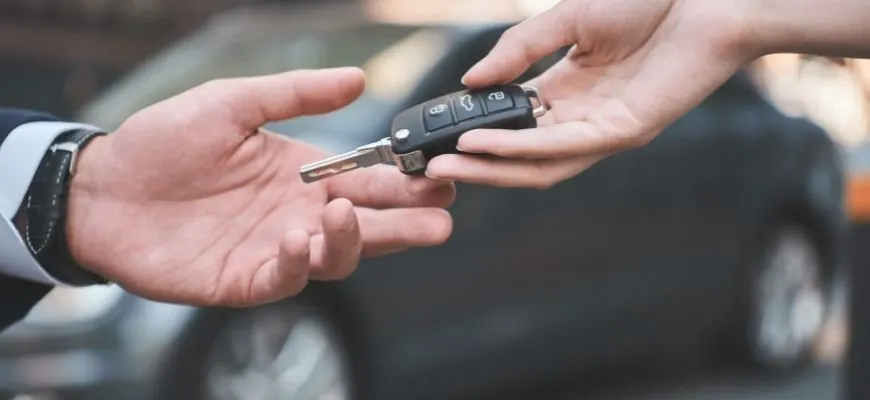
Original Owner Manuals and Spare Keys: Collect all original keys, key fobs, and factory documentation. Replacing modern smart keys costs hundreds of dollars, so providing a complete set adds tangible value.
Organized paperwork instills confidence in potential buyers, accelerating the negotiation phase and preventing last-minute delays.
Conduct a Thorough Mechanical and Safety Assessment
Buyers want reassurance that they are not inheriting immediate repair bills. While major engine or transmission overhauls rarely yield a full return on investment right before a sale, resolving minor mechanical issues and topping off fluids pays off handsomely.
Address Small Repairs with Big Returns
Small defects create negative impressions that buyers leverage to negotiate lower prices. Fix burned-out exterior bulbs, replace cracked windshield wiper blades, and fix squeaky door hinges. If the check engine light is illuminated, take the car to an auto parts store or mechanic to diagnose the underlying code. Resolving a minor sensor fault is far more profitable than attempting to explain away a dashboard warning light to an anxious buyer.
Check Maintenance Fluids, Brakes, and Tires
Ensure all essential fluids are filled to proper operating levels. Check the engine oil, transmission fluid, brake fluid, coolant, and windshield washer fluid. Inspect the tires for uneven wear and adequate tread depth. If the tires are near the end of their lifespan, replacing them with an economical set of new tires can prevent buyers from demanding steep discounts during the inspection. Ensure tire pressures match factory specifications to deliver a smooth test drive.
Deep Clean and Detail inside and Out
Visual appeal drives initial buyer interest. A vehicle that shines in photos and smells clean during an in-person viewing creates an emotional connection that rational arguments cannot match.
Deep Cleaning the Interior
The interior is where the buyer spends the test drive, making interior cleanliness critical to closing a deal.
-
De-clutter Completely: Remove all personal belongings, including gym bags, sunglasses, phone mounts, garbage, and items stored in the trunk, glovebox, or door pockets.
-
Vacuum and Shampoo: Vacuum carpets, floor mats, and seats thoroughly. Use fabric cleaner on upholstery stains or high-quality leather conditioner on leather seating surfaces.
-
Wipe Down Surfaces: Clean the dashboard, center console, steering wheel, and door panels with a dedicated interior detailer to remove dust, oil, and sticky residue.
-
Eliminate Odors: Never attempt to mask strong odors with heavy air fresheners, as buyers may suspect hidden mold, tobacco, or pet issues. Use an ozone generator or specialized odor-eliminating sprays to neutralize smells permanently.
Refining the Exterior Finish
A clean exterior indicates careful ownership. Wash the car thoroughly, paying extra attention to lower rocker panels and wheel wells where road grime collects.
-
Clean Wheels and Tires: Use a dedicated wheel cleaner to strip away baked-on brake dust, then apply tire shine for a polished, showroom-ready look.
-
Address Paint Defects: Use a clay bar to remove embedded surface contaminants, followed by a light polish to eliminate minor swirl marks. Touch up small paint chips using factory-matched touch-up paint to prevent rust and improve appearance.
-
Clean All Glass: Clean windows inside and out with a streak-free glass cleaner. Dirty glass creates dangerous glare during test drives and looks unappealing in photographs.
Set a Realistic and Competitive Asking Price
Pricing a vehicle requires objective analysis rather than emotional attachment. Research current market conditions across multiple automotive sales platforms to establish a fair market value.
Calculate a realistic pricing band by factoring in the vehicle year, exact trim level, mileage, overall condition, and geographical region. Set the asking price slightly above the target net figure to leave comfortable headroom for negotiation. For example, if the goal is to sell the car for $12,000, list it at $12,800. This structure allows the buyer to feel they negotiated a good deal while protecting the seller’s target profit line.
Create a Standout Digital Listing with High-Quality Media
Most buyers screen cars online long before scheduling an in-person viewing. The quality of listing photos and vehicle descriptions directly dictates inquiry volume.
Capturing High-Quality Photographs
Park the vehicle in a neutral, well-lit location, such as an open park lot or a clean suburban street, avoiding heavy shadows or direct midday sunlight. Early morning or late afternoon light produces the best results. Take photos from multiple angles, including four exterior corner shots, direct front and rear profiles, wheel close-ups, dashboard layout, odometer reading showing current mileage, front and rear seats, trunk space, and under the hood. Highlight premium features like navigation screens, sunroofs, or upgraded sound systems.
Writing an Accurate and Engaging Description
Draft a clear, factual description using concise bullet points. List basic specifications first, including year, make, model, trim package, transmission type, engine size, and mileage. Outline maintenance history, recent replacement parts, fuel efficiency metrics, and overall condition. Disclose minor cosmetic flaws honestly; transparency eliminates surprises during test drives and builds immediate buyer trust.
Frequently Asked Questions (FAQ)
Is it worth paying for a professional auto detailing service before selling a car?
Paying for professional detailing is usually worth the investment for vehicles valued over $5,000. A complete detail costing $150 to $300 often increases the perceived value of a vehicle by $500 to $1,000 and accelerates the sale speed significantly. For lower-value budget vehicles, a thorough DIY wash and vacuum yields a better return on investment.
Should minor cosmetic dents and paint scratches be repaired prior to listing?
Minor scratches that can be buffed out or covered with touch-up paint should always be fixed. However, repairing deep body dents or painting whole panels at a professional body shop rarely provides a 100% return on investment. It is generally more cost-effective to price the car slightly lower and sell it with minor cosmetic imperfections disclosed.
How should a test drive be handled safely with a prospective private buyer?
Always verify the buyer holds a valid driver license before handing over the keys. Accompany the buyer on the test drive, choose a familiar, well-traveled route during daylight hours, and inform a friend or family member of the appointment details. Ensure current auto insurance covers permissive drivers on the vehicle.
What forms of payment are safest when completing a private vehicle sale?
A cashier check drawn on a local bank branch or a direct bank-to-bank wire transfer are the safest payment methods. If receiving a cashier check, finalize the transaction inside the buyer issuing bank branch to verify the legitimacy of funds before signing over the vehicle title and handing over the keys. Avoid personal checks, money orders, or informal payment plans.
Should major mechanical issues be fixed or disclosed and sold as-is?
Major repairs, such as replacing a blown head gasket or a slipping transmission, rarely yield a profit when performed right before a sale. In these cases, it is usually better to price the vehicle below market value, clearly disclose the exact mechanical condition in the listing, and sell it as-is to a mechanic or handyman buyer.
What steps are required after handing over the keys to the new owner?
Immediately after completing the sale, remove personal license plates if required by state law, submit a formal Notice of Transfer or Bill of Sale to the state Department of Motor Vehicles, and cancel auto insurance coverage on the sold vehicle to avoid liability.

Comments are closed.