
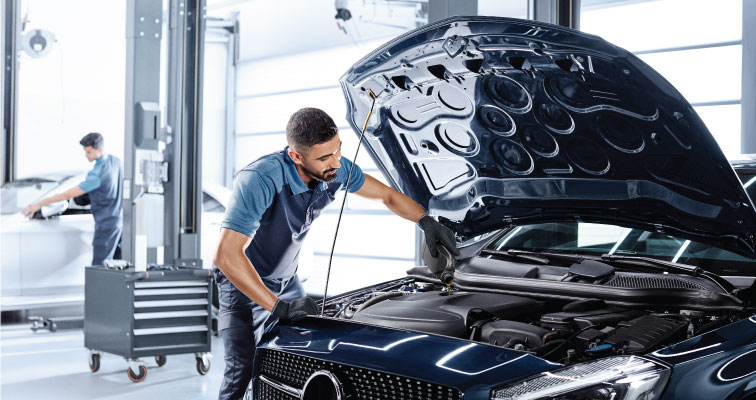

For decades, getting a car serviced meant following a rigid routine. A driver noticed an unusual noise, called a local shop to set up an appointment, drove the vehicle to a service center, and then spent hours sitting in a sterile waiting room. In worse scenarios, a broken-down car required paying steep fees for a tow truck just to get the vehicle onto a mechanic bay lift. Today, that traditional model is undergoing a massive transformation.
Mobile auto repair services have emerged as one of the fastest-growing sectors in the automotive aftermarket. By bringing fully equipped vans, professional-grade diagnostic tools, and certified technicians directly to a customer home, workplace, or roadside location, mobile mechanics are reshaping how maintenance and repairs get done. This shift reflects broader consumer demands for speed, transparency, and personal convenience, permanently altering the relationship between car owners and vehicle service providers.
The Shift Toward On-Demand Convenience in Automotive Care
The primary catalyst behind the rise of mobile auto repair is modern consumer behavior. People manage nearly every aspect of their daily lives through digital platforms and on-demand delivery, from groceries to financial services. Vehicle care is no longer an exception.
The traditional auto repair process presents significant friction for vehicle owners. Taking a car to a shop often requires taking time off work, coordinating rides with family members, or paying out of pocket for rental cars and ride-sharing services. Mobile repair eliminates these pain points entirely.
-
Zero Time Spent in Waiting Rooms: Vehicle owners can continue working at their desks, tending to household responsibilities, or enjoying leisure time while a technician services the car in the driveway or parking garage.
-
No Towing Charges for Non-Driveable Cars: When a vehicle experiences a dead battery, failed alternator, or locked brake caliper, a mobile mechanic travels directly to the immobilized vehicle, saving hundreds of dollars in towing fees.
-
Direct Communication with Technicians: At traditional dealership service bays, customers talk to a service advisor who acts as a middleman. Mobile repair fosters direct one-on-one interaction between the vehicle owner and the actual technician working on the car.
This elevated level of convenience turns routine automotive care from an annoying chore into a seamless background task.
Economic Advantages for Consumers and Mechanics
The financial dynamic of mobile auto repair creates a compelling value proposition for both sides of the transaction. Traditional brick-and-mortar automotive facilities carry massive fixed overhead expenses, including property leases, large utility bills, specialized shop lifts, and administrative staffing. Mobile services operate on a far leaner business structure.
Lower Overhead Translated into Transparent Pricing
Because mobile repair businesses operate primarily out of custom-fitted vans or trucks, their fixed costs are dramatically lower than traditional service centers. They do not need to maintain multi-bay garages or pay expensive commercial property leases. These savings allow mobile operations to offer competitive labor rates while maintaining healthy profit margins. Furthermore, many mobile services utilize upfront digital quote engines, eliminating the price ambiguity and hidden shop fees that consumers frequently complain about at traditional facilities.
Financial Autonomy for Automotive Technicians
For skilled automotive mechanics, the mobile repair model offers an attractive career alternative. Skilled technicians working at traditional dealerships often earn a fraction of the hourly labor rate charged to the customer, with a large percentage swallowed by shop overhead. By launching an independent mobile repair business or partnering with national mobile service platforms, technicians can retain a significantly higher portion of their labor earnings, set their own schedules, and enjoy complete professional autonomy.
Technology Driving the Mobile Repair Revolution
Mobile auto repair is not merely a mechanic driving around with a toolbox in the trunk. It is a modern, tech-enabled service model powered by advancements in portable diagnostic equipment, mobile communications, and logistics platforms.
Advanced computer diagnostics have become lightweight and handheld, allowing mechanics to pull complex engine fault codes, reset onboard systems, and run full system scans anywhere. Lithium-ion battery technology has powered heavy-duty cordless impact wrenches, portable air compressors, and hydraulic jacks, giving technicians shop-level mechanical power without relying on fixed shop air lines or heavy electrical cords.
Digital scheduling platforms and mobile applications streamline the customer journey. Drivers can enter their vehicle make, model, and symptoms online to receive instant price estimates, book specific arrival time windows, track their mechanic real-time location via GPS, and complete electronic payments upon job completion. Digital service records and high-resolution photo reports are emailed directly to the vehicle owner, providing undeniable visual proof of worn components before any work begins.
Services Suited for On-Site Maintenance and Repair
While heavy engine overhauls or frame straightening still require a fully equipped stationary shop, a surprising percentage of common automotive maintenance tasks and component replacements can be performed safely on site.
-
Routine Preventative Maintenance: Synthetic and conventional oil changes, air filter replacements, cabin dust filter changes, wiper blade installations, and tire rotations.
-
Brake System Repairs: Replacing worn brake pads, installing new brake rotors, servicing brake calipers, and performing complete brake fluid flushes.
-
Electrical and Starting Systems: Battery health testing, battery replacement, alternator testing and replacement, starter motor repair, and fuse diagnostic checks.
-
Ignition and Fuel Delivery: Spark plug replacements, ignition coil pack installations, belt adjustments, fuel pump replacements, and sensor changes.
-
Fluid Maintenance and Minor Engine Care: Radiator flush and fill services, thermostat replacements, valve cover gasket fixes, and air conditioning recharges.
By focusing on these high-frequency service needs, mobile mechanics capture a massive segment of the total auto repair market without needing heavy static machinery.
Environmental and Operational Impact on the Automotive Market
The growth of mobile vehicle servicing carries positive implications for environmental sustainability and urban logistics. Traditional repair models require two full vehicle trips for every service appointment: driving to the facility and driving back home. Mobile repair optimizes routes, allowing a single technician vehicle to service multiple cars in a localized geographical area, reducing overall vehicle miles traveled and carbon emissions.
Furthermore, fleet operators for delivery companies, rideshare businesses, and corporate car pools are heavily adopting mobile repair solutions. Commercial fleets lose significant revenue whenever a vehicle sits idle at a repair shop. Mobile service providers perform scheduled fleet maintenance overnight or during downtime directly at corporate parking yards, maximizing fleet uptime and operational efficiency.
Frequently Asked Questions (FAQ)
What happens if a car requires a complex repair that cannot be completed on site?
If a diagnostic inspection reveals a severe issue that requires specialized stationary equipment, such as heavy engine machining, transmission rebuilds, or frame alignment, the mobile mechanic will explain the situation clearly. Many mobile services partner with certified local repair facilities or towing networks to transition the vehicle safely to a garage while handling the diagnostic phase upfront.
Are mobile auto repair services covered by standard car insurance or extended warranties?
Yes, many mobile repair providers accept third-party extended warranty programs and insurance claims. The mechanic provides standardized, itemized digital receipts containing part numbers and labor breakdowns that meet insurance adjuster standards. Car owners should confirm warranty compatibility with their provider prior to authorizing work.
How do mobile mechanics manage environmental safety and fluid disposal away from a shop?
Professional mobile mechanics follow strict environmental regulations regarding hazardous waste management. They utilize specialized fluid extraction pumps, sealed containment catch pans, and spill mats that prevent oil, coolant, or hydraulic fluid from contacting driveway or parking surfaces. All collected fluids are transported back to licensed recycling centers in compliance with local environmental laws.
Can mobile mechanics work on hybrid and fully electric vehicles at a private property?
Yes, certified mobile technicians equipped with high-voltage safety gear and specialized insulated tools routinely service hybrid and electric vehicles. Common mobile EV services include 12-volt auxiliary battery replacements, cabin air filter updates, brake system servicing, coolant loop checks, and tire management.
What preparations should a vehicle owner make before the mechanic arrives?
Car owners should ensure the vehicle is parked on a reasonably flat, safe, and stable surface such as a concrete driveway, private parking space, or wide asphalt street area. The area surrounding the car should be clear of obstructions, pets, and children, and the vehicle key fob should be accessible so the technician can test the vehicle upon arrival.
How do adverse weather conditions impact scheduled mobile automotive services?
Mobile mechanics monitor weather conditions closely to ensure job safety and work quality. For mild rain or extreme heat, many mobile units carry portable pop-up canopies and work lighting. However, severe weather such as heavy snowstorms, ice, lightning, or high winds may require rescheduling the appointment to ensure the safety of both the technician and the vehicle.
Do mobile mechanics bring all necessary replacement parts or do they buy them during the job?
When an appointment is booked in advance, mobile mechanics pre-order and verify the exact OEM or high-quality aftermarket parts tailored to the specific vehicle identification number. The service van arrives fully stocked with those specific components alongside general shop supplies. If additional unforeseen parts are needed during diagnostic work, the mechanic coordinates with local automotive parts distributors to have them delivered directly to the site.

Comments are closed.